Deep-Set Eyes · Wispy · Classic 1:1
The wispy lash map for deep-set eyes, built in Classic 1:1 — zone order, where the length peaks, and the point this one usually goes wrong.
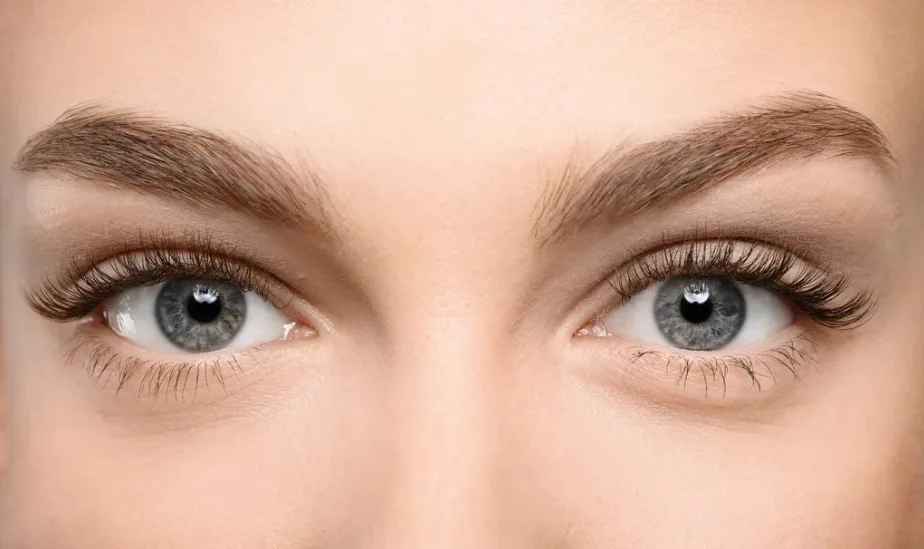
- ShapeDeep-set — a heavy brow keeps the lash line in its own shade all day.
- EffectWispy, single lashes: a soft peak with a few longer singles standing proud of it.
- Where everyone strugglesAiry or nothing. Crowded texture on this eye stops being wispy and becomes a dark patch.
Why Why it is laid out this way
Texture on a recessed eye has one job that it does not have on any other shape: catching light and putting some of it back into the socket. A few singles standing above the line do that, provided they are far enough apart to make separate highlights rather than one dark mass. In classic there are no closed fans to work with, so the texture is built from length alone.
The order the zones go in
- Map the base curve firstShort inner end, three even steps up, the top length across two middle zones, an easier fall outward.
- Fill the base line completelyEvery natural lash gets its mapped length before any texture goes on. Texture on an unfinished base looks like a mistake.
- Add long singles in the middle thirdA handful of noticeably longer lashes across the two peak zones. That band is where the lid faces forward.
- Space them unevenlyNever two side by side, never regular gaps. Uneven spacing is what makes it read as texture rather than a pattern.
- Keep the long ones open in curlThe longest lashes on the set take the softest curl available. Curl plus length aims a tip straight into the bone.
- Leave both corners plainNo texture in the first or last zone at either end — those sit deepest and return nothing.
The length curve on deep-set eyes
Underneath the texture is an ordinary soft curve: a low wide peak over the middle, a very short inner end and an outer end that keeps a little length. The long singles sit above that line and are what the client actually notices, but they only work because something even is holding the line together beneath them. Take the base away and the texture reads as an uneven set rather than a deliberate one.
Where does a wispy map go wrong on deep-set eyes?
Deep The physics underneath
A long lash standing above the line is the most demanding thing on this map. What follows is why.
The same map, built four ways
- Classic 1:1
- Here the texture is made of single strands, which is the lightest way to get a highlight above the line. It also means every long lash is one strand on one anchor, so the load is exactly as visible as it is real.
- Handmade volume
- Fans could carry the base line at less weight and free up allowance for the long singles on top. The trap is using them to close the gaps that make the texture read.
- Promade / pre-made fans
- Quick for a base, but their evenness works against a build whose whole character is irregular. A uniform base under uneven texture tends to look like two different sets.
- Woven / clover
- Its repeated spread is legible as a pattern, and once the eye finds one pattern it stops seeing the intentional randomness above it. Not a match for this cell.
Spread angle versus weight
With no fans in the build, the spread that matters is the distance between one long lash and the next. Too close and their shadows overlap into a single dark smudge instead of two separate highlights, which is precisely how texture backfires on this shape. Look at the peak band from the front and check you can see daylight between each long lash and its neighbours.
What a deep-set lash line can carry
- A long single leans before it sheds, and on a recessed eye a leaning highlight is a lost one — the tip drops back under the brow line and stops catching anything.
- Length is charged twice, in mass and in leverage, and the texture lashes are the longest things on the map, so each one costs several times what an ordinary lash in the same zone does.
- Put the long ones on the strongest lashes you can find in the peak band, because a texture lash on a weak anchor sags out of line and the client sees one wrong lash rather than an overall look.
Where this map fails first
The texture goes before the base does. Each long lash is the heaviest single object on the map, so it leans as its anchor grows out and stops standing above the line. What is left is the plain curve underneath, which looks fine but is not what the client booked. Choosing the shortest length that still stands proud, and putting those lashes on the strongest anchors, is what keeps the effect alive to the refill.
FAQ Common questions
Can you do a wispy set without fans?
Yes. In classic the texture is made from longer single lashes standing above the mapped line, which is lighter than a closed fan and better suited to a shape that punishes weight.
Why is the texture kept to the middle of the lid?
Because the middle is the part of a deep-set eye that sits forward. A long lash there catches light; the same lash at either corner sits behind the brow's line and only adds shade.
How far apart should the long lashes be?
Far enough that you can see between them from the front, and never at regular intervals. Overlapping highlights merge into one dark patch, which is the opposite of the effect.
Should the texture lashes have a stronger curl?
No, softer. They are the longest on the set, and curl plus length points the tip up into the brow bone where the extra length is wasted.
Print this page or save it as PDF — the diagrams are drawn to stay readable in black and white on plain paper. Or download the diagrams below as SVG. No account, no fee, nothing to sign. Every file carries this page’s address, so wherever it ends up it can be traced back here.
Teaching from these? The offer, and how to credit it.
Also in: Deep-Set eyes · Wispy · Classic 1:1
Read next: what makes a lash map wispy rather than spiky · questions clients ask about lash extensions