Lash Mapping for Almond Eyes
Every eyelash extension map drawn for almond eyes — all five effects in all three techniques. The shape decides what the map has to correct; the effect and technique decide how.
Almond is the shape the other eight get compared against, which is why lash mapping for almond eyes is mostly a question of intent rather than correction. Nothing has to be counteracted: the lid shows along its whole length, the outer corner sits level with the inner, and the curve of the lash line already reads as balanced. That freedom is the trap. With no shape problem forcing a decision, the map is decided entirely by the effect asked for, and a technician who is used to correcting something can over-build here out of habit. Every effect works; each one changes the eye in a different direction.
The fifteen maps below are the five effects in all three techniques, drawn for this shape. Each states the zone order, the length curve and where it gets away from people — for a working lash tech mid-appointment and for a learner still building a reference.
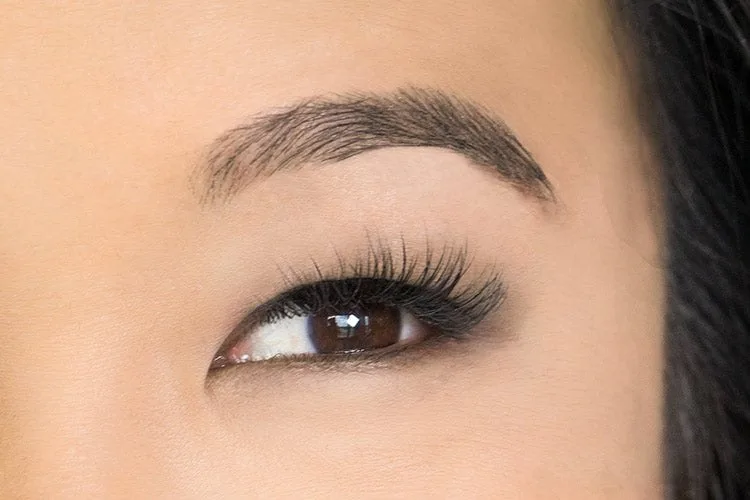
Already balanced — this map corrects nothing.
Standardising this across a team? In the studio. Teaching from it? Teaching from this.
Other eye shapes: Close-Set Deep-Set Downturned Hooded Monolid Round Upturned Wide-Set