Lash Mapping for Monolid Eyes
Every eyelash extension map drawn for monolid eyes — all five effects in all three techniques. The shape decides what the map has to correct; the effect and technique decide how.
Also called monolids, Asian eyes. The same layout is meant in each case — the name changes, the geometry does not.
A monolid has no crease, so the lid is a continuous plane from lash line to brow bone and there is no fold to hide behind or work around. Lash mapping for monolid eyes has to create the impression of depth that the anatomy does not supply, which puts more weight on curl and on where the length changes than on length itself. A soft taper flattens against the lid rather than reading as a taper.
The fifteen maps below are the five effects in all three techniques, drawn for this shape. Each states the zone order, the length curve and where it gets away from people — for a working lash tech mid-appointment and for a learner still building a reference.
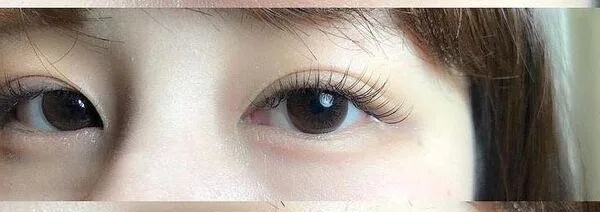
No crease — a soft taper disappears into the lid.
Standardising this across a team? In the studio. Teaching from it? Teaching from this.
Other eye shapes: Almond Close-Set Deep-Set Downturned Hooded Round Upturned Wide-Set